 |
| BRUEGEL, Pieter the Elder. The Tower of Babel. 1563. Oil on oak panel. Kunsthistorisches Museum, Vienna. |
Agenda:
- Oramus in Latina.
- Syllabi? (Turn them in)
- Latin Binder...anyone?
- Review Inflection: check out the madness.
- Introductory Lectures on Latin:
- Where does Latin come from?
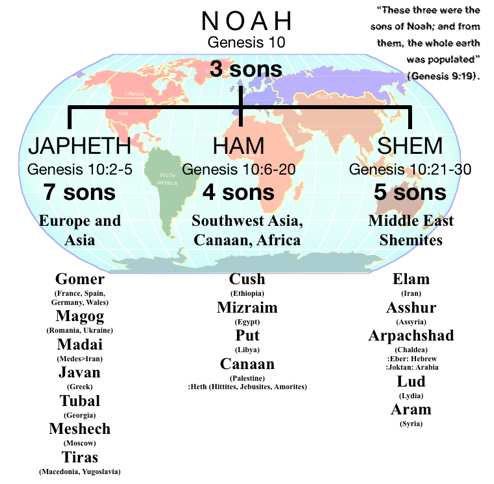
- Languages of the World: read Genesis 7-11
- 16-17 Language Families and the Sons of Noah
- The historical record shows that at this time languages explode on the scene.
- All of the 6000 languages in the world today fit into each "family"
- Latin is in what linguists call Indo-European Language family
- How language disproves Evolution:
- Languages start out complex and move to more simplistic forms--not the other way around. Consider the following transitions:
- from Ancient Greek to Modern Greek (from 10 to 2 cases)
- from Ancient Latin to Classical Latin (from 9 to 5 cases)
- from Latin to the Romance Languages (from cases to no cases at all)
- from Anglo Saxon to Modern English (from case to nothing)
- When did Latin begin to be spoken? And who cares?
- 500 years before the Golden Age of Rome.
- The Latin tongue was in one of the "anti-types" to the story of the Tower of Babel: the world became one in the gospel of Christ.
- The decline of the Roman Empire, often called the "Dark Ages," gave birth to Christian Europe. The term the "Dark Ages" is of course a misnomer.
- Review HW:
- Turn in your silly-bus.
- Study for Intro lecture quizzes next week.

No comments:
Post a Comment